
Total: Rs. 0.00
Taxes and shipping calculated at checkout

Introduction
In today’s world of fast-paced schedules, digital screens, and sedentary jobs, it’s easy to overlook how our lifestyle silently shapes our long-term health. The habits we adopt now — whether skipping exercise, eating on the go, or burning the midnight oil — are closely tied to the rise of so-called “lifestyle disorders” or chronic conditions.
How modern living sets the stage
Sedentary routine: Sitting for hours at a desk, minimal physical activity, commuting long distances — all reduce our body’s opportunity to stay metabolically healthy.
Poor dietary patterns: Processed foods, high sugar and fat intake, erratic meal times, and frequent snacking.
Chronic stress and lack of sleep: Many people trade restful nights for work, screen time or side activities — which disrupts hormonal balance, immunity and repair.
Environmental & behavioural triggers: Exposure to pollution, reliance on cars, heavy mobile/screen use, less outdoor time — all contribute to cumulative wear on the body. For example, research shows many of today’s non‐communicable diseases stem from these risk factors.
Common chronic disorders linked
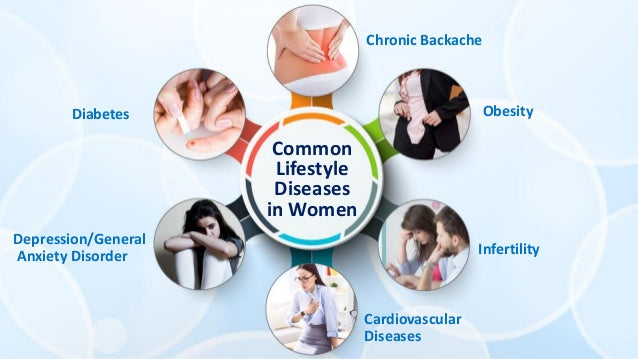
Some of the disorders strongly linked to lifestyle choices include:
Type 2 diabetes
Hypertension & cardiovascular disease
Obesity and metabolic syndrome
Certain types of cancer
Chronic respiratory issues
These conditions often take years to develop and can become difficult to reverse if ignored.
Breaking the cycle: Practical steps
Move regularly: Add 30-60 minutes of moderate activity into your daily routine — even walking or light resistance work helps.
Clean up your diet: Emphasise whole foods (vegetables, fruits, whole grains, lean proteins), reduce processed snacks & sugary drinks.
Prioritise sleep: Aim for 7–8 hours, maintain regular sleep–wake times, minimise screens before bed.
Manage stress: Incorporate mindfulness, breathing exercises, short breaks — long-term stress amplifies inflammation and harm.
Check in: Regular health screenings (blood sugar, blood pressure, cholesterol) can catch early signs before they become full disorders.
Conclusion
Modern lifestyle doesn’t have to be a health risk sentence. By recognising how our daily habits accumulate into long-term damage, we get the power to reverse the trend. Every small change matters. The cycle can be broken.


Velmurugan Raja Nadar —
Diabetes 300