
Total: Rs. 0.00
Taxes and shipping calculated at checkout

Introduction
We often treat stress as an emotional issue, but science shows it’s also deeply physical. Chronic stress triggers inflammation that can fuel many lifestyle disorders — from diabetes to heart disease. Learning to manage stress isn’t a luxury; it’s preventive medicine.
How stress fuels inflammation
When under chronic stress, the body releases hormones like cortisol and adrenaline. Over time, this leads to:
Increased blood pressure
Higher blood sugar
Lowered immunity
Persistent low-grade inflammation
This inflammatory state contributes to lifestyle disorders such as hypertension, obesity, and even autoimmune diseases.
Recognising signs of stress overload
Constant fatigue or irritability
Digestive issues or headaches
Trouble concentrating or sleeping
Reliance on caffeine or sugar for energy
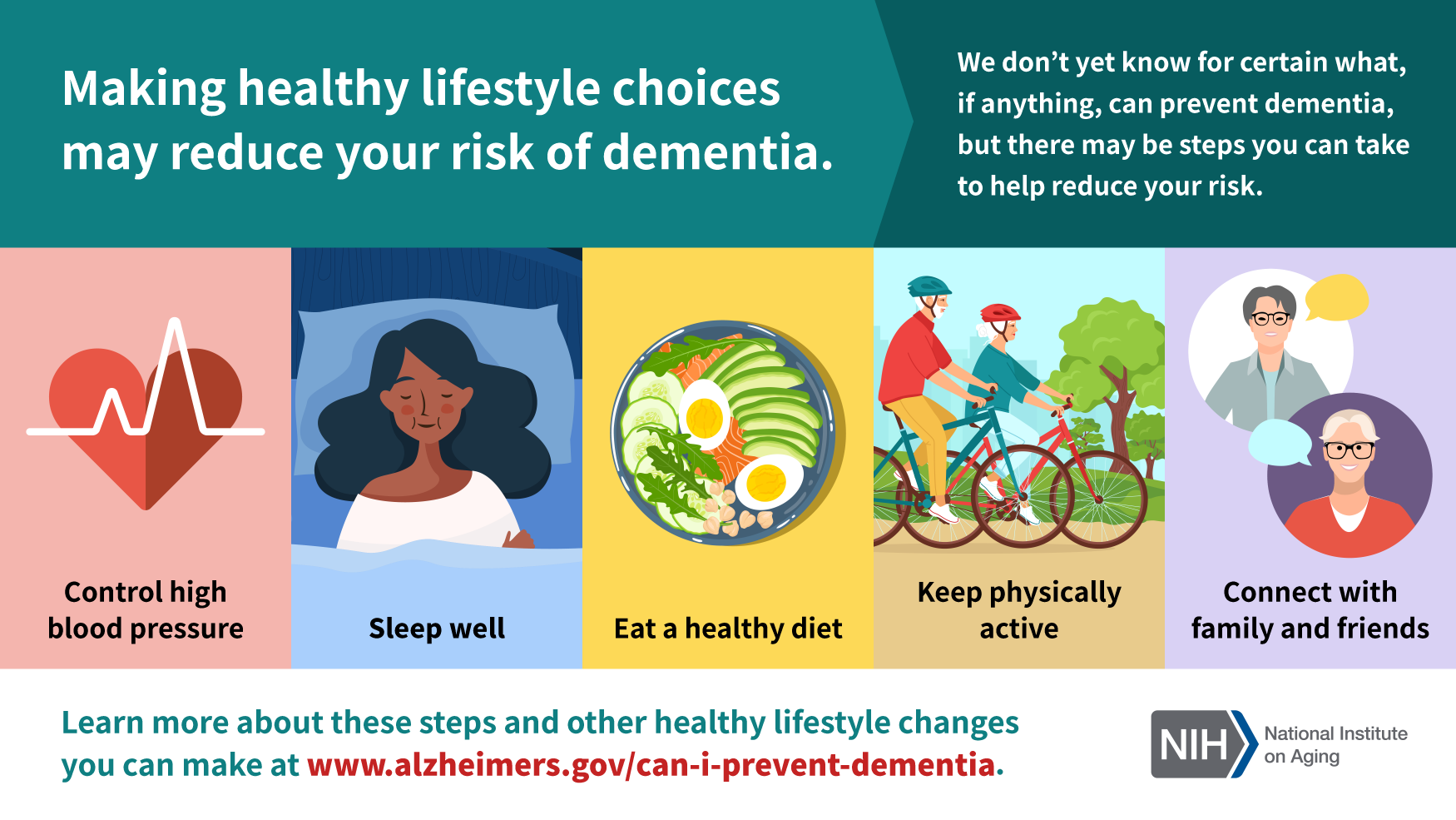
Natural ways to reduce stress & inflammation
Deep breathing & mindfulness: Activates the parasympathetic system to calm the body.
Movement therapy: Walking, yoga, tai chi — reduce cortisol and improve circulation.
Balanced nutrition: Anti-inflammatory foods like turmeric, leafy greens, nuts, and berries.
Social connection: Talking to loved ones or joining supportive communities improves resilience.
Holistic therapies: Acupuncture, massage, aromatherapy — proven to lower stress and inflammation.
Conclusion
The link between mind and body is undeniable. Relaxation is not idle time — it’s active healing. By restoring calm, you protect yourself from the inside out.


